
Let’s be real: there are few things more discouraging in the breastfeeding journey than mastitis. One minute you’re nursing your baby and eating leftover muffins with one hand, the next you’re curled up under three blankets with a red, angry boob and full-body chills.
If you’ve never had mastitis before, consider this your guide to staying one step ahead of it. And if you’re currently in the thick of it? I’ve got you, too.
Let’s talk about what causes mastitis, how to treat it naturally, when to call in backup, and how to keep your milk supply steady through it all.
What is Mastitis, Anyway?
Mastitis is a spectrum of conditions that present within breast tissue. This spectrum typically starts as inflammation and can worsen into an infection. Inflammation can be caused by an overproduction of milk supply, inadequate removal by both pump or baby, to name a few. Inflammation can cause ductal narrowing that can result in different outcomes but more commonly seen, clogged ducts. check out this blog post to learn how to deal with clogged ducts. If inflammation isn't remediated it may develop into inflammatory mastitis, if this isn't addressed properly then bacterial mastitis may follow. Which is when things start to feel extra awful (think flu symptoms, red streaks, or even pus).
Symptoms of mastitis can come on fast and may include:
-
Breast tenderness or pain
-
A firm, hot, red area on the breast
-
Flu-like symptoms: fever, chills, body aches
-
Fatigue (the kind that makes “tired” feel like an understatement)
You don’t need all the symptoms to have mastitis. Even a low-grade fever and localized pain can signal it’s time to act.
How Does a Mom Get Mastitis?
Mastitis commonly comes after lack of removal or a mismanaged overproduction. When milk isn’t draining well — whether from engorgement, pressure, or a skipped feed — things back up and inflammation kicks in.
Here are a few common triggers:
-
Baby not latching well or falling asleep mid-feed
-
Wearing a too-tight bra or baby carrier strap that compresses the breast
-
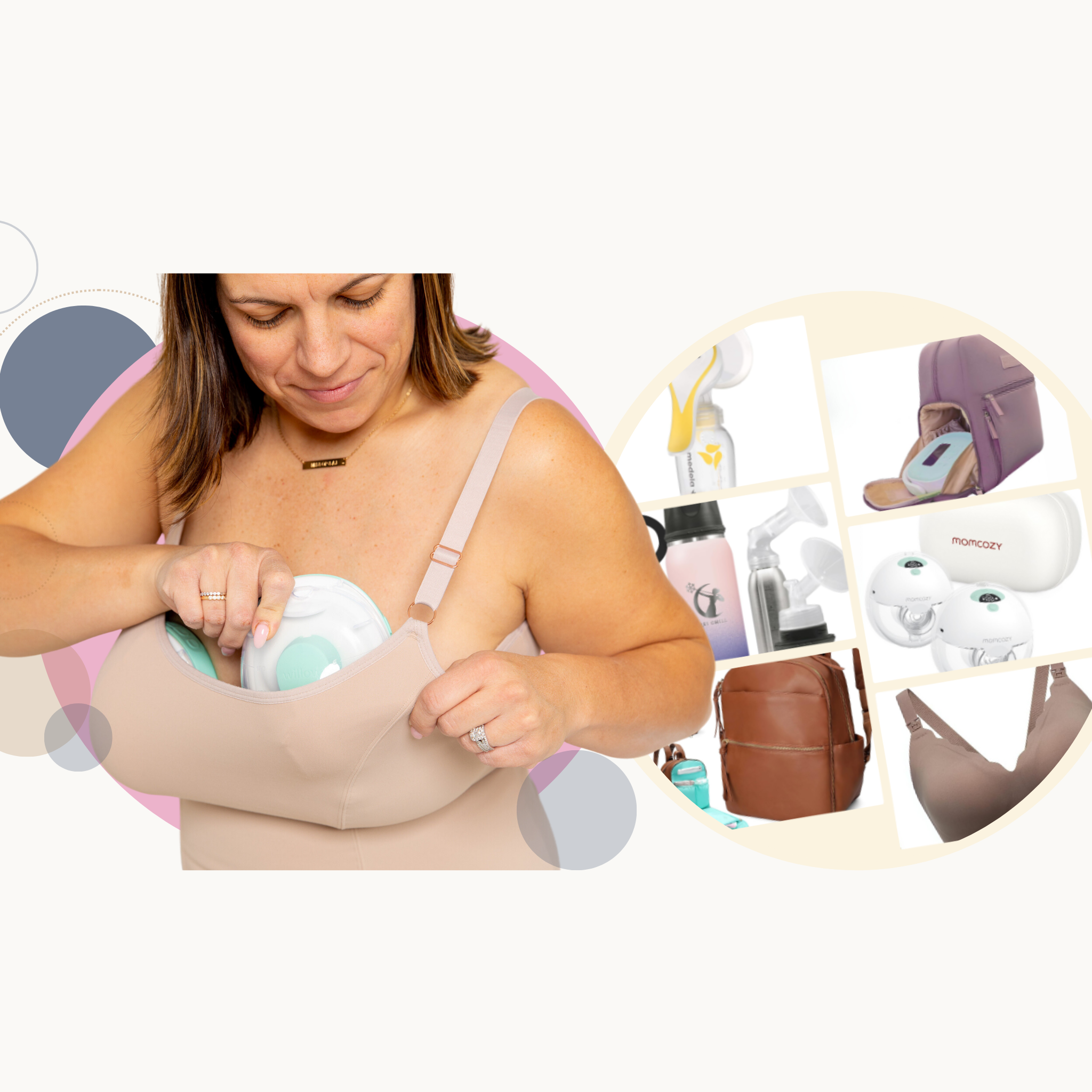
(In the need for a good, well-fitting nursing and pumping bra? Get yourself an Amelia by Davin & Adley - it's my all-time favorite! Check out my full review HERE.)

-
(In the need for a good, well-fitting nursing and pumping bra? Get yourself an Amelia by Davin & Adley - it's my all-time favorite! Check out my full review HERE.)
-
Skipping feedings (or going too long between sessions)
-
Baby suddenly sleeping longer stretches (a blessing and a curse)
-
Weaning too quickly or suddenly dropping feeds
-
Chronic oversupply
When is Mastitis Most Likely to Strike?
The early weeks are a hot zone — your milk is still regulating, baby is figuring out latch, and you may be sleep-deprived enough to forget to alternate nursing sides, or forgetting to pump.
But it’s not just a newborn problem. Mastitis can pop up:
-
During growth spurts (hello, cluster feeding chaos)
-
When your baby starts sleeping through the night
-
After returning to work and pumping more (tips for making this transition HERE)
-
During weaning, especially if it’s abrupt
-
Around hormonal shifts (your period returning, getting sick, etc.)
Basically, any time your feeding or pumping routine changes — your risk goes up.
Is It Safe to Breastfeed When You Have Mastitis?
Yes — and you should.
It’s actually helpful to keep breastfeeding or pumping on the affected side. It helps aleve the congested area, relieve pressure, and keep milk moving.
Your milk is still safe for baby, even if it contains some bacteria or looks different (slightly salty, thicker, or even tinged with blood). If you’re dealing with an infection, your body produces antibodies that can actually benefit your baby.
The only time to pause feeding is if your doctor specifically advises it — which is rare.
Natural Remedies for Mastitis (That Actually Help)
If you catch mastitis early — before it becomes a full-blown infection — you can often treat it at home with a combo of rest, milk removal, and inflammation support.
Here’s your go-to game plan:
1. Frequent Nursing or Pumping
Maintain your typical nursing and pumping schedule.
-
Start feeds on the sore side (baby’s strongest suck happens first)
-
Massage the lump while nursing, think soft strokes back to your lymp nodes to help move any sitting edema
-
Try different nursing positions (laid-back, side-lying, dangle feeding) to help drainage
2. Lymphatic Massage
In between nursing or pumping sessions, give your breast some light lymphatic massage to encourage drainage. Be careful not to overdo it or you could cause more inflammation. Be gentle. Want to see an example? Click here.
3. Cold Compress After Feeds
Cold helps reduce inflammation and relieve pain — think cold packs or even a bag of frozen peas in a towel.
4. Hydration + Rest
Like, real rest. Mastitis is your body’s way of saying: slow down.
-
Drink water every time you nurse
-
Take naps whenever you can
- Ask someone else to handle everything else — dishes, laundry, even diaper duty if possible
5. Anti-Inflammatories
If the pain is really getting to you, you might want to take an anti-inflammatory medication. Ibuprofen is safe while breastfeeding and can reduce swelling, fever, and pain. Not sure about taking medication while breastfeeding? Check out this post --- I talk all about it.
6. Sunflower Lecithin, or better yet - Choline!
Sunflower Lecithin is a natural supplement that helps make milk less sticky and can prevent recurring clogged ducts. Bonus: it’s safe(ish) to take daily for prevention. However, it's not so great for your gut.
Enter, Choline! Choline is another supplement that has a similar effect on clogged ducts without the knock to the gut microbiome. It's also really great for baby's brain development, so if you ask me I'm team Choline! Find a pre/post-natal with Choline included, and/or include it as a separate pill in the supplement mix!
My favorite prenatal is from Needed. Get a bottle here!
For more information on Sunflower Lecithin and Choline, check out my friend, Allegra, over at Aloha Nutrition! She's an IBCLC and a Nutritionist, specializing in women's nutrition and postpartum health.
How to Prevent a Dip in Milk Supply
Mastitis puts a lot of stress on your body — and inflammation can sometimes lead to a temporary supply drop. Here’s how to stay ahead of it:
-
Keep nursing/pumping as you normally would (even if it’s uncomfortable)
-
Stay hydrated and well-fed — especially protein-rich, anti-inflammatory foods
-
Consider calcium + magnesium supplements if mastitis hits around your luteal phase
-
Don’t stop nursing unless absolutely necessary — and if you do, wean gradually to avoid more clogged ducts
When to Call a Doctor
Sometimes mastitis needs medical help. If you notice any of the following, don’t wait it out:
-
Fever over 101.3°F for more than 24 hours
-
Worsening redness, swelling, or pain
-
Pus, abscess, or cracked skin that won’t heal
-
You feel too sick to care for yourself or your baby
Antibiotics may be needed to clear the infection — and that’s okay. They’re safe for breastfeeding and often provide relief within 24–48 hours.
Pro tip: Keep nursing even while on antibiotics, and consider taking a probiotic to protect your gut (and baby’s).
Finally… You’re Not Doing Anything Wrong
Mastitis doesn’t mean you’re failing at breastfeeding. It means your body needs a reset — and a whole lot of rest. The most important thing is to act quickly, keep milk moving, and take care of you.
Bonus material! If you feel your provider is presenting you with outdated information, which can be possible! Share THIS Mastitis protocol with them, it was updated in 2022!