
As a breastfeeding mom, if you’re regularly spraying milk across the room like a rogue garden sprinkler or your newborn baby is sputtering and coughing like they just took a shot of tequila instead of breast milk, congratulations: you might be dealing with overactive letdown. Instead of peaceful, snuggly nursing sessions, you’re faced with frantic gulps and milk-soaked everything. This post will walk you through how to handle overactive letdown, what it looks like, why it happens, and—most importantly—how to manage it.
Understanding Overactive Letdown
Let's chat about what's actually going on when you experience overactive milk ejection reflex, or, overactive letdown.
What Does Overactive Letdown Look Like?
You might notice signs like a fast flow of milk at the start of a breastfeed. Your baby latches, suckles a few times to stimulate milk flow, then takes a few gulps and pops off choking while milk is flowing out of your breast like a firehose. You might also notice your baby clamping down mid-feed to try to restrict milk flow, pulling off, or just acting fussy during feeds even though milk is flowing. When babies are hit with a rapid flow of milk that they’re not developmentally ready to keep up with, we can't blame them for being completely taken aback. Other signs of overactive letdown look like frequent spit-ups after short feeds and clicking noises during nursing. If you’re pumping, overactive letdown usually resembles milk shooting out like a jet stream before settling into a nice rhythm.
Not every breastfeeding mother experiences overactive letdown.
For some moms, the milk ejection reflex is simply more intense. And, it's not necessarily tied to total breast milk output, though some women with overactive letdown experience oversupply.
Will It Always Be This Way?
Good news: For many moms, this is a temporary stage! It’s most common in the beginning of your breastfeeding journey when your body is still figuring out what your baby actually needs. Most likely, your flow will begin to chill out as your milk production regulates. More info on "Has My Supply Regulated?" at my blog! At around 6-12 weeks, your supply begins to adjust to the demand you have established, and your overactive milk ejection reflex usually calms down.
If your letdown continues to feel like a power washer after your supply regulates, that could just be your body’s norm—but there are ways to make it more manageable (we’ll get into those in the next section). Remember, dealing with a fast letdown doesn’t mean you’re overproducing or underproducing. It just means your boobs are a little overenthusiastic for the time being.
Does Overactive Letdown Affect Pumping?
If you're exclusively pumping (or pumping just here and there), overactive letdown means that your pumping sessions usually start with a BANG. While this can make it seem like you're getting a ton of milk super quickly, this most likely just happens during the start of a pumping session. After a minute or so, your milk flow will likely look more regular. Overactive letdown doesn't necessarily mean that your pumping sessions will be any shorter or that you will produce any more than the average pumping mama. So while your volume of milk might come in fast at first, you’re not necessarily skipping pumping sessions any time soon.
Regular pumping may become part of your routine if you are experiencing overactive letdown that your baby can't handle while nursing - more on that next!
How Does Overactive Letdown Affect my Baby?
Overactive letdown can be quite a hurdle for your baby to overcome. How can you help?
How Overactive Letdown Affects Your Baby While Nursing
As I touched on earlier, if you’re nursing and dealing with a forceful flow of milk at the start of every session, your baby might look like they’re drowning in breast milk. Babies can end up coughing, gagging, leaking milk from the side of their mouth, unlatching frequently, arching their backs, and swallowing a lot of air. The swallowing air component can lead to uncomfortable, excessive gas, and the high volume of milk in a short amount of time can lead to frequent spit-ups.
Some babies might start refusing the breast altogether or nursing for super short spurts because they’re overwhelmed by the chaos. When you're dealing with all of that, it can be very discouraging. Thankfully, there are things you can do to help!
How to Help Baby Keep Up with the Flow
-
Try a laid-back position. Gravity helps slow things down and give your baby more control. Just lean back slightly, plop baby on top of your belly, and let them take charge. This position can take some practice getting used to. *My personal favorite option!*
- Try sitting baby in an upright position while you hold your breast out for them (rather than having it dangle downward in the traditional cross cradle position). This can eliminate some of the forceful letdown.
- If your baby chokes or seems overwhelmed, rather than yanking them off (which could cause nipple trauma), gently break the suction (use a clean index finger to pop them off) and try to nurse again after a short pause.
- If after trying the solutions above, you're not seeing improvement, try pumping off a small amount of milk before latching your baby - just enough to get past that fast milk flow so your baby isn’t hit with the opening fireworks. You don't want to create an oversupply by increasing demand on the reg! A quick manual pump session does the trick—you can try this one. It’s easy, small, and doesn’t require putting putting a bunch of pieces together. Usually 30 seconds to a minute of pumping through that letdown is enough.
- For some moms with a forceful milk flow, a nipple shield can help slow the flow, though I'm hesitant to recommend these unless absolutely necessary—Check in with a lactation consultant for an in person evaluation.
To summarize, if you're experiencing the common issue of a strong letdown, there are ways to manage and still nurse your baby with confidence.
Solutions for Keeping Yourself Comfortable
So we've talked about keeping the baby comfortable, now let's talk about you! Because when you're learning how to handle overactive letdown, staying dry, sane, and semi-comfortable is important! Unfortunately, your flow of breast milk doesn’t care where you are or what you’re doing. You could be feeding your baby (ideally) when you experience the firehose letdown, or you could be folding laundry, in line at Target, or just thinking about your baby at a football game—and BOOM. That familiar tingling sensation hits (a letdown), and suddenly you’re dripping into your shoes.
Nursing Pads: Your New Best Friends
Nursing pads are going to need to travel everywhere with you for the foreseeable future. They should be in your bra whether or not you’re actively feeding your baby, and you'll probably need extras in your diaper bag. Excess milk can and will show up uninvited—especially in the early weeks of breastfeeding.
There are a few options when it comes to quality nursing pads:
-
Disposables – If you don’t want to deal with washing anything and you like the idea of grabbing a fresh set every day, go with these tried-and-true disposables. They’re absorbent and discreet.
-
Reusables - Kindred Bravely has some soft, comfortable, machine washable organic reusable nursing pads.
- Reusable single pad - Davin and Adley offer a single unit solution called the Paisley nursing pad, which I just love. They don't leave your bra looking like you have saucers under your shirt. They are seamless and very absorbent.
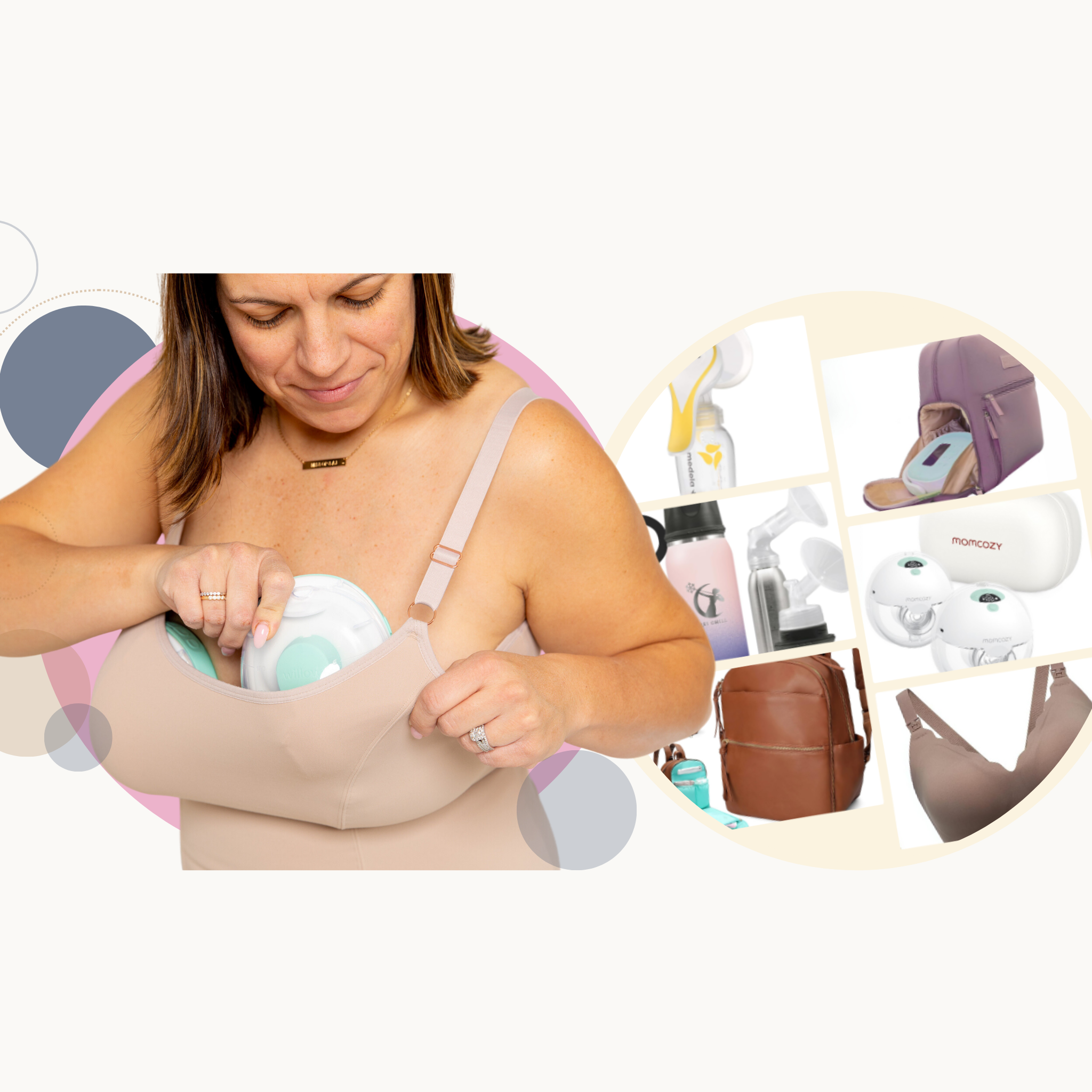
- Elvie Catch Cups – If you want to save excess breast milk instead of soaking it into a pad, these catch cups sit discreetly in your bra and collect drips so you can stash them for later. Or, they're great if a poor latch situation has left your nipples raw and you don’t want a soggy pad rubbing up against them. They’re a game-changer for comfort and milk collection.
Passive Collectors
While we're on the topic of letdown, did you know that there are tools that exist solely to collect letdown? If you're experiencing overactive letdown, you may want to try using passive collection cups while you're hanging out around the house or even at night while you're sleeping. These aren’t really the kinds of things you want to wear out and about since they're pretty bulky, but at home, they're beautiful. Let me explain.
Passive collectors are perfect for catching excess milk during a breastfeeding session—especially when letdown shows up uninvited on your second breast. You can find all my favorite options here, but one of my top favorites has been the Boon Trove. When used properly, a passive collector can actually reduce the stress your overactive letdown causes your baby. This means less overwhelm for you and some bonus freezer stash for your baby. For example, say baby is nursing on the right side. You use your passive collector on your left with no suction applied, simply to catch leaking milk. When baby is ready to switch sides, hopefully your overactive letdown has calmed and baby can nurse comfortably.
While it may sound like a simple concept, using passive collectors is not something to mess around with. It can sometimes lead to unwanted oversupply of milk, even more overactive letdown, or general discomfort/engorgement.
Looking for more info on passive collectors? Listen to my podcast Episode 34: Passive Milk Collectors are Not Primary Pumps and check out my Chit-Chat on Sleeping with Passive Collector.
Plan Ahead
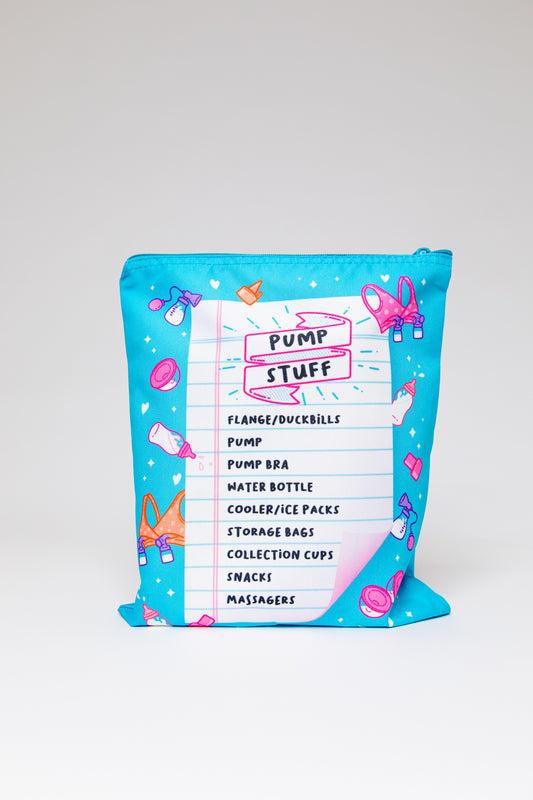
It's good to have a game plan for the rogue letdowns that happen at the worst possible moment. Grocery store? Church? Date? All of the above. Unfortunately, for a decent amount of time, you may need to keep these things close at all times:
- An extra shirt (or two) for you
- An extra nursing/pumping bra
- Extra nursing pads
- Extra outfits for baby
This won’t last forever, but during the "leaky" stage, being prepared can save the day so that you can keep showing up and feeding your baby.
Final Thoughts
Figuring out how to handle overactive letdown isn’t exactly one of the highlights of anyone’s breastfeeding journey, but it is doable. With some helpful tips, a little trial and error, and a probably a lot of nursing pads, any breastfeeding mother can find a rhythm that works.