
Natural disasters can happen at any time of the year, but it always seems like with the coming of spring we have a heightened risk of weather driven emergency situations. Hurricanes, floods, wildfires, and earthquakes often strike without warning, and even when we do have a heads up from the weather forecast, they can bring an added layer of chaos and uncertainty when juggling littles. For us with infants, these events present additional challenges, particularly when it comes to ensuring our babies are fed and nourished. Let me take a bit of the stress away for you -- one of the most reliable and essential ways to nourish a baby during an emergency is breastfeeding. While disasters may disrupt access to food, clean water, and medical services; breastfeeding mamas, whether nursing and pumping, are often better prepared to meet their babies' nutritional needs. However, it's crucial to plan ahead for such situations.
This blog will dig into how you can prepare for breastfeeding during a natural disaster, covering safety measures, emergency supplies, and tips for keeping both mamas and babies healthy.
Build a Breastfeeding Emergency Kit
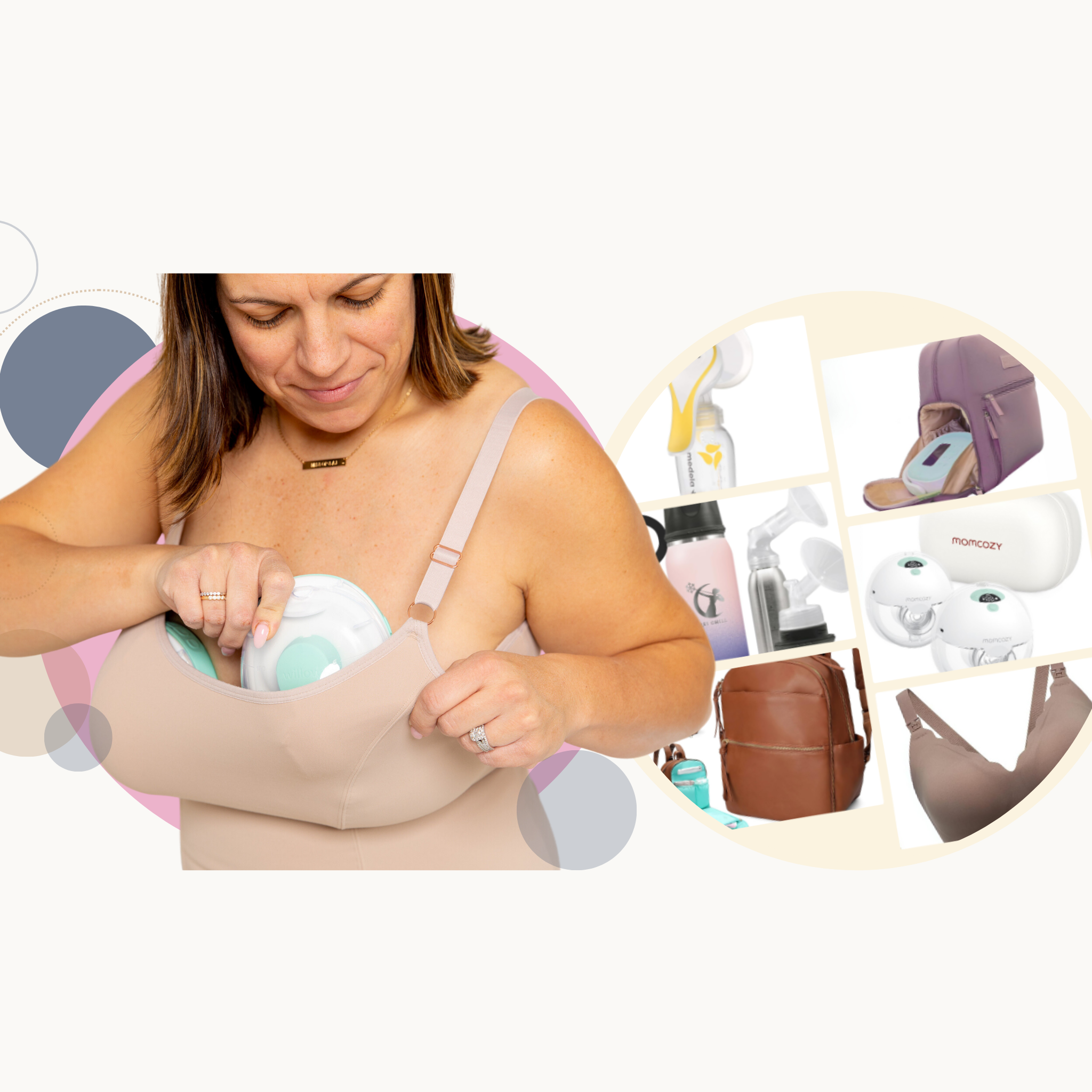
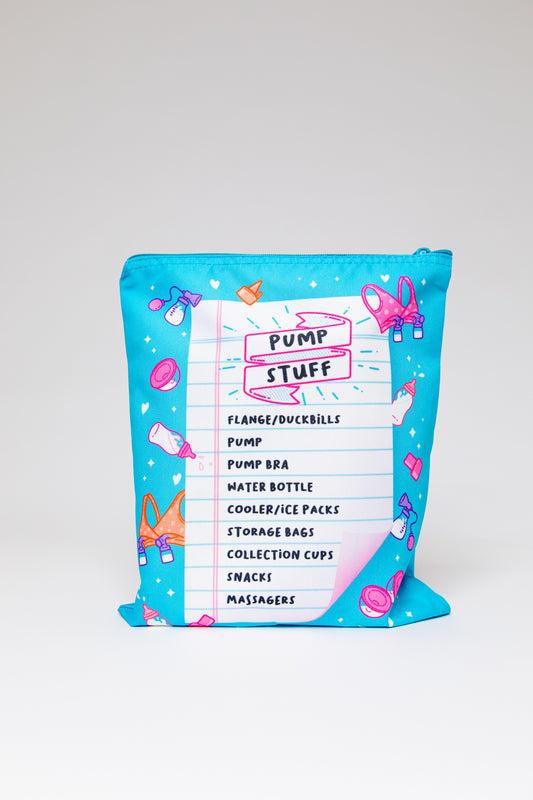
A breastfeeding emergency kit is essential for managing your baby’s feeding needs during a disaster. This kit should include supplies to help you nurse, pump, and care for your baby when resources are limited.
Essential Breastfeeding Supplies:
-
Breast Pumps: Having both an electric and a manual pump available is important, especially for exclusive pumpers should the electric pump run out of power. My favorite manual pump is the Medela Hand Pump, when needed you’d be surprised how much milk it can move!
- *Pro Tip* - Have your hand pump assembled and ready to go with a with your favorite flange, sized accordingly, and at least one extra set of replacement parts (duckbill, diaphragm + o-ring, and extra bottle, etc).
-
Portable Power: Include rechargeable power packs (here’s the one I use) to charge your pump when electricity is unavailable.
- *Pro Tip* - If you know a storm is headed your way, charge up all your portable devices ahead of time!
- Portable Light: A small light (such as this egg light) can help when power outages make it difficult to see.
- Bottles: Ensure you have enough bottles ready for feedings.
- Cleaning Products: On-the-go wipes and sanitizing spray for pump parts are key if access to clean water is unavailable.
- Milk Storage: Storage bags or containers to keep breast milk safe, such as my preferred milk bags.
- Coolers and Ice Packs: To store milk if power is lost. The Ceres Chill milk chiller, for example, can keep milk cold for up to 20 hours.
- Nipple Care: Cream or spray to prevent soreness.
Safely Store Breast Milk
Power outages can make it difficult to store pumped breast milk. However, knowing how to properly store breast milk without refrigeration can help avoid wasting any of that valuable liquid gold.
Milk Storage Tips:
- Freeze Extra Milk: If you anticipate a disaster, freeze any extra milk to create an emergency stockpile.
-
Minimize Opening the Freezer: If the power goes out, try to keep the freezer closed as much as possible. The longer you can keep it shut, the longer your milk will stay frozen.
- *Pro Tip* - Practice storing the milk as far away from the freezer opening as possible, as items in the back will stay frozen longest!
- Coolers and Ice Packs: Using a cooler and ice packs (or bags of ice) can aid in keeping milk cold or prolonging frozen status.
- Room-Temperature Storage: Breast milk can be safely stored at room temperature for up to four hours (according to the CDC), so plan to use it within that time frame if refrigeration is unavailable.
- Follow Milk Guidelines: Thawed milk should be used within 24 hours and should not be refrozen - but remember, it’s not considered fully thawed until every last ice crystal is melted!. Make sure you have enough stored for several days. Check out my Milk Storage Guidelines magnet for quick access to all the info wherever you need it!
-
Pump and Feed on Schedule: If you cannot store milk, pump and feed on the same schedule to limit the need for stored milk.
-
Use the elements to your benefit, if possible: example, if its cold outside, freezing or below, use these temperatures to store your milk as another option to keep milk chilled. If you are using a device similarly to the Ceres Chiller, fill the inner chamber with snow/ice to help chill milk. This will be extra useful if you're worried about power outage and opening and closing your freezer or fridge.
Prioritize Your Health
The stress of a natural disaster can impact your physical and mental health, and consequently, your milk supply. It’s essential to try to remain as calm as possible during such events - do what you can to secure access to clean water, and ensure your own self care so you can care for your family to your best ability.
Maintain Hydration and Nutrition:
- Water Bottles & Containers: Stay hydrated and stockpile extra water, as milk production depends on fluid intake.
- Water Purification: Invest in portable filters or purification tablets.
- Snacks: Utilize high-energy snacks like granola bars, nuts, and dried fruit to maintain energy levels.
- Electrolytes: Drink mixes can help replenish lost fluids during stressful events.
Tips for Emotional Well-being:
- Relaxation Techniques: Practice deep breathing or meditation to reduce anxiety and maintain milk production.
- Support System: Stay connected with family, friends, or support groups for emotional and physical assistance.
- Self-Care: Look after your own health by ensuring you rest, eat nutritious foods, and stay hydrated. Your well-being is essential for maintaining a steady milk supply.
Stay Informed and Flexible
During a disaster, staying updated on the situation is crucial. Having access to emergency alerts can help you adjust your plans as needed.
Key Actions:
- Follow Local Guidelines: Pay attention to advice from local authorities, as they may have specific instructions for families with infants.
- Have Backup Plans: While breastfeeding is ideal, have alternatives in case breastfeeding becomes temporarily difficult. Emergency formula or access to community resources can help during times of need.
Plan for Post-Disaster Recovery
Once the immediate danger has passed, the recovery phase can still pose challenges. If your breastfeeding has been disrupted, it might take time for things to return to normal, and that’s ok! Do what you can to get back to your routine, but give yourself grace during the process.
Recovery Tips:
- Continue Nursing or Pumping as Normal: Ensuring frequent milk output, whether through nursing or pumping, will help to rebuild your milk supply and keep the baby nourished.
- Increase Pumping: If your regular schedule alone doesn’t maintain/rebuild supply, adding in extra pumping sessions for a few days can help boost it.
- Seek Help if Needed: If breastfeeding has been disrupted, lactation consultants or local health centers can offer guidance.
-
Monitor Baby’s Health: Be vigilant for signs of dehydration or malnutrition, particularly if breastfeeding was interrupted. Seek medical help if necessary.
Conclusion
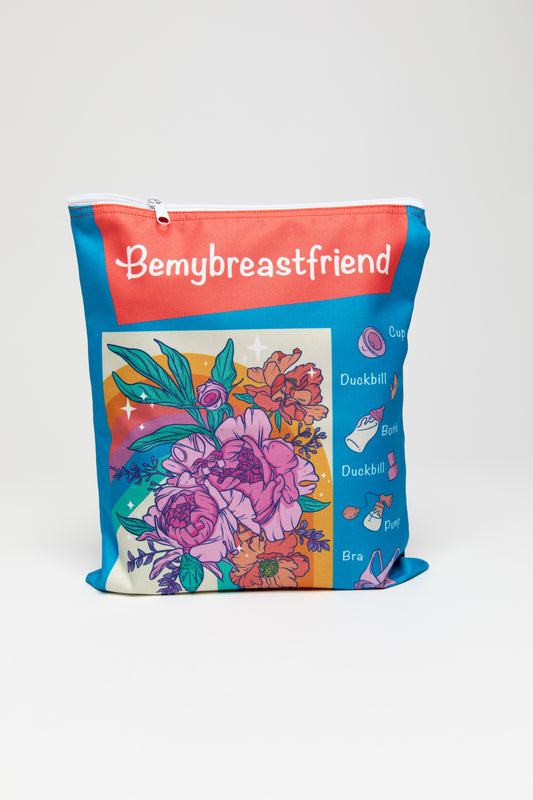
Preparing for a natural disaster can feel overwhelming, but planning ahead for your breastfeeding needs can ensure that your baby remains well-nourished, even in challenging circumstances. Take my advice and don’t wait until the forecast shows bad weather coming your way. Break up preparations across a few days and pack up what you can permanently in a bag so it’s one less thing to worry about when you’re under the gun. I like to buy inexpensive items ahead of time (like a hand pump and a few bottles) specifically for an emergency bag. Hopefully you’ll never have to use it but should you do you’ll be glad you had it ready to go. By building an emergency kit, knowing how to store milk safely, and focusing on your well-being, you can face the difficulties of a natural disaster with confidence. Above all, trust in your breastfeeding routine and the nourishment it provides, and do whatever you can to keep everyone as safe as possible, given the circumstances.