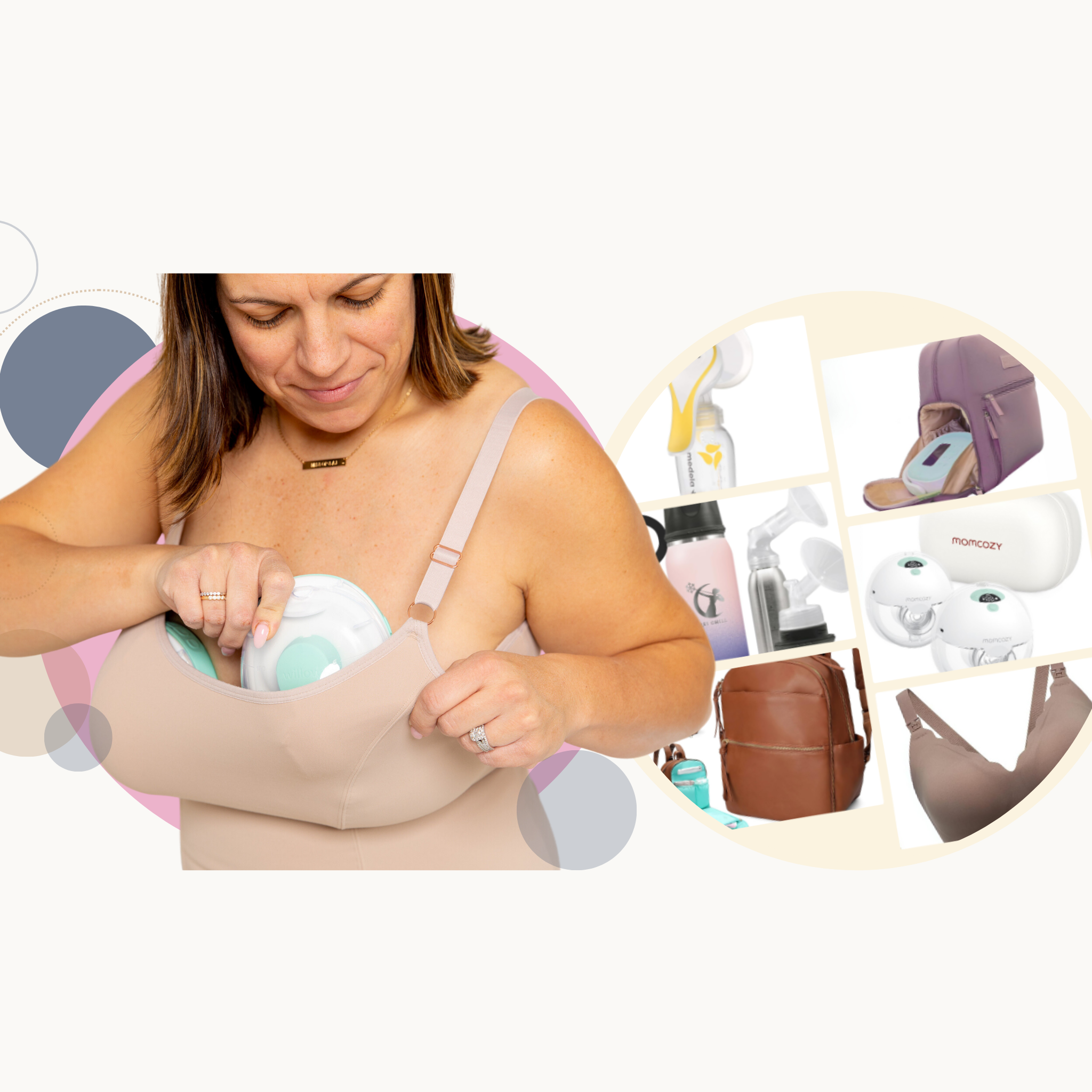

When you're a few minutes into a pump session, the thought has a tendency to creep in: Am I actually emptying my breasts? Is this pump actually doing the trick?
First, let’s clear up that your breasts are never truly 100% empty. They’re like a milk factory that’s always working — even while you pump. But knowing if you’re effectively draining your breasts matters, because it affects both your milk supply and your pumping efficiency.
So, how do you know if you’re doing it right? Let’s break it down.
What “Emptying” Really Means
When Lactation Consultants talk about “emptying,” they don’t mean sucking your breasts bone dry. (Impossible!)
They mean you’ve removed most of the milk available at that session. This is important because:
-
More frequent and thorough draining = stronger signal to make more milk.
-
Incomplete draining can lead to milk statis which can lead to decrease in supply.
-
Over time, good emptying helps maintain supply consistency.
Signs You’re Effectively Emptying While Pumping
1. Milk Flow Slows to Drops (or Stops Altogether)
At the start, you’ll see steady sprays or streams. Toward the end, that slows to dribbles or drops. That’s your sign that you’ve removed the bulk of the milk, or the first let-down which typically yields largest volume of milk to express in a pump session.
2. Your Breasts Feel Softer
Before pumping, your breasts might feel full, firm, or even uncomfortable. Afterward, they should feel lighter, softer, and less tense.
3. No Hard Spots or Lumps
Run your hand gently over your breast tissue after a session. If you feel firm areas or knots, milk may still be sitting. A little massage or compression during pumping can help release it. (You can read about my preferred lactation massagers here.)
4. Your Output Stays Consistent Over Time
Once you’ve been pumping for a while, you’ll start to recognize your “usual” output for different times of day. If you’re hitting those numbers and your breasts feel soft afterward, you’re probably emptying well and consistantly.
How Long Should It Take?
Every mom is different, but most pumping sessions last 15–20 minutes. That being said:
-
Some women drain quickly in 10 minutes
-
Others may need 25–30 minutes, especially with additional letdowns
The key is to watch your milk flow, not the clock. End your session once sprays slow to drops and your breasts feel soft. You can also pump for volume, if you're able to express a desired amount and end your session this can also help with regulating supply at a comfortable supply without encouraging an oversupply.
Tips to Improve Emptying
-
Check Flange Fit: A poor fit and/or flange shape can prevent milk removal. (Need some help with this? Check out this post.)
-
Massage + Compress: Gentle breast massage before and during pumping can help release more milk.
-
Try Hands-On Pumping: Combining hand expression with the pump is a game-changer for many moms.
-
Stay Relaxed: Stress inhibits letdown. Deep breaths, warmth, and even looking at a picture of your baby can help.
What If I’m Not Emptying Well?
If you often end sessions with lumps, pain, or very low output, it’s worth troubleshooting with a Lactation Consultant. You may need:
-
A different flange size
-
Pump setting adjustments
-
Additional attention to address any other underlying issues
Bonus Resource
If you want to learn everything about optimizing pump sessions — from setup to storage — grab Breastfeeding Beyond the Boob. It’s my printable pumping guide that shows you how to get more milk with less stress.
The Bottom Line
You don’t need to chase completely “empty” breasts — because that’s not how milk production works. Instead, aim for soft, comfortable breasts and slow-to-stop milk flow by the end of your session.
That’s your body’s way of saying: “Good job, mama. You got what you needed this time.”
And if you’re not sure? That’s what I’m here for — to help you pump smarter, not harder.